
Theo Werner · 24 September 2026
Mapping the Influence of Algorithm Updates on Niche Platform Visibility Strategies
Algorithm updates reshape how niche platforms present content to users, and observers track these shifts through visibility metrics that include reach, engagement rates, and search rankings within specialized communities. Data from multiple tracking services shows that changes in recommendation systems often reduce exposure for smaller sites while favoring established accounts or high-volume creators, and this pattern has repeated across forums, image-sharing networks, and topic-specific apps since the mid-2010s.
Core Mechanisms Behind Visibility Changes
Platform engineers adjust ranking signals during updates to prioritize factors such as user retention time, content originality scores, and cross-device consistency, while older signals like raw keyword density lose weight. Researchers at academic institutions have documented how these adjustments compress the distribution of impressions, so that pages from niche domains appear less frequently in feeds or discovery sections. In practice, a single update can alter visibility for thousands of smaller publishers within days, and recovery depends on adapting to the new weightings rather than reverting to previous tactics.
Tracking Update Rollouts Across Regions
Monitoring services compile timelines that link specific code releases to measurable drops or spikes in traffic for niche sites, and analysts compare these events against public announcements from platform operators. European regulatory filings, for instance, require disclosure of major recommender system modifications under the Digital Services Act, which provides one source of advance notice. Similar requirements appear in Canadian digital platform guidelines, giving researchers additional data points for cross-border comparisons. Observers note that September 2026 brought coordinated testing phases on several mid-sized platforms, where new diversity filters were introduced to surface long-tail topics alongside mainstream material.
Strategic Adjustments for Niche Operators
Operators respond by mapping their content production pipelines against the signals that gained prominence after each update cycle. One approach involves segmenting material into clusters that match updated preference models, such as longer-form posts that demonstrate sustained user interaction. Another tactic focuses on building direct audience relationships outside algorithmic feeds, including email lists and private communities, so that traffic does not rely solely on platform distribution. Figures from industry reports indicate that sites employing multi-channel distribution experienced smaller visibility losses during the 2024–2025 update wave compared with those dependent on single-platform discovery.
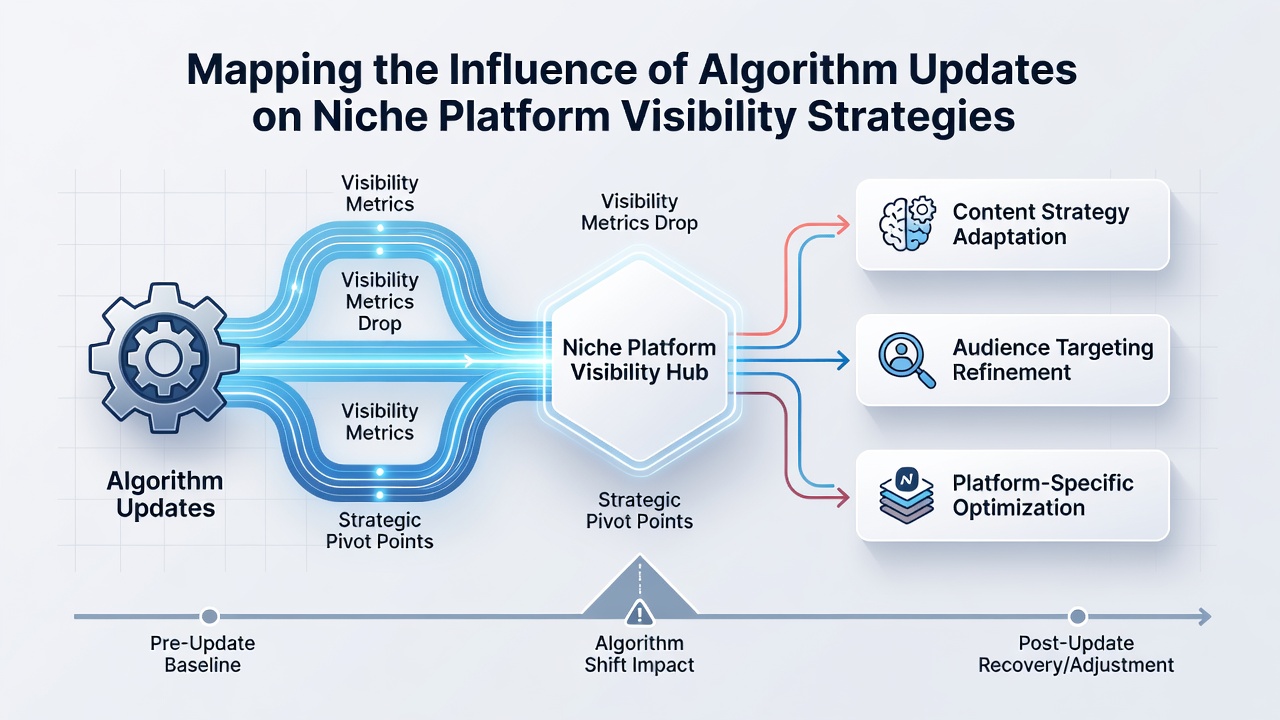
Technical teams also audit site architecture to ensure compatibility with crawler behaviors that change alongside ranking logic. Schema markup refinements, page speed optimizations, and structured data additions often align with the technical priorities revealed in post-update analyses. Those who study recovery patterns report that sites completing these audits within two weeks of an announced change regain measurable reach faster than peers that delay adjustments.
Data Sources and Measurement Frameworks
Visibility mapping relies on aggregated datasets from web analytics suites, platform-provided insights tools, and third-party rank trackers. A Federal Trade Commission report on algorithmic systems outlines common measurement approaches used by regulators when assessing platform fairness. Separate work from Australian academic centers provides longitudinal studies that correlate update dates with traffic shifts across hundreds of niche domains, offering benchmarks for operators who lack internal data teams. These frameworks emphasize consistent logging of impression share, click-through rates, and session duration before and after each documented change.
Case Patterns Observed in 2025–2026
One documented sequence involved a photography-focused platform that introduced new content authenticity checks in early 2025, after which accounts posting original series retained higher placement while aggregated feeds lost ground. Another instance occurred when a hobbyist discussion network revised its reply-ranking model, elevating threads with multi-day participation over single-post spikes. In both situations, operators who reviewed the public changelog and adjusted posting cadence accordingly maintained steadier visibility curves. September 2026 testing phases introduced additional filters aimed at reducing repetitive content, prompting many niche publishers to diversify formats within their existing editorial calendars.
Conclusion
Mapping algorithm influence requires ongoing comparison of update timelines against visibility data, combined with targeted technical and content adjustments that align with revised signals. Public regulatory disclosures and independent research datasets supply the raw material for these mappings, while operators who integrate the findings into routine workflows demonstrate more stable performance across successive update cycles. Continued collection of regional data points will refine these strategies as platforms release further modifications.